Cooking Class for lunch (Lhasa)
From Dough to Dumpling: An Immersive, Hands-On Culinary Journey into the Heart of Tibetan Family Life and Daily Rhythms
A cooking class for lunch in Lhasa is one of the most authentic ways to experience Tibetan culture, traditions and daily life. While Lhasa is famous for its ancient monasteries, sacred temples and breathtaking Himalayan landscapes, discovering the local cuisine offers travellers a different perspective of this remarkable destination. Food plays an important role in Tibetan culture, representing family connections, hospitality and centuries-old traditions passed down through generations. By joining a local cooking class, visitors can learn traditional recipes, prepare authentic Tibetan dishes, and enjoy a delicious meal while creating meaningful memories during their journey.
Unlike a regular dining experience, a Tibetan cooking class allows travellers to become part of the preparation process. Instead of simply tasting local food, visitors can understand the ingredients, techniques, and stories behind each dish. Guided by local cooks or experienced hosts, participants can learn how traditional Tibetan meals are prepared and discover how food reflects the unique environment and lifestyle of the Himalayan region.
Tibetan cuisine has developed according to the challenging conditions of the Tibetan Plateau. Due to the high altitude and cold climate, traditional dishes are designed to provide warmth, nutrition, and energy. Ingredients such as barley, yak meat, dairy products, vegetables, noodles and local spices are commonly used in Tibetan cooking. These simple yet flavourful ingredients represent the connection between Tibetan people and their natural surroundings. During a cooking class in Lhasa, travellers can learn about these traditional ingredients and understand their importance in everyday Tibetan life.
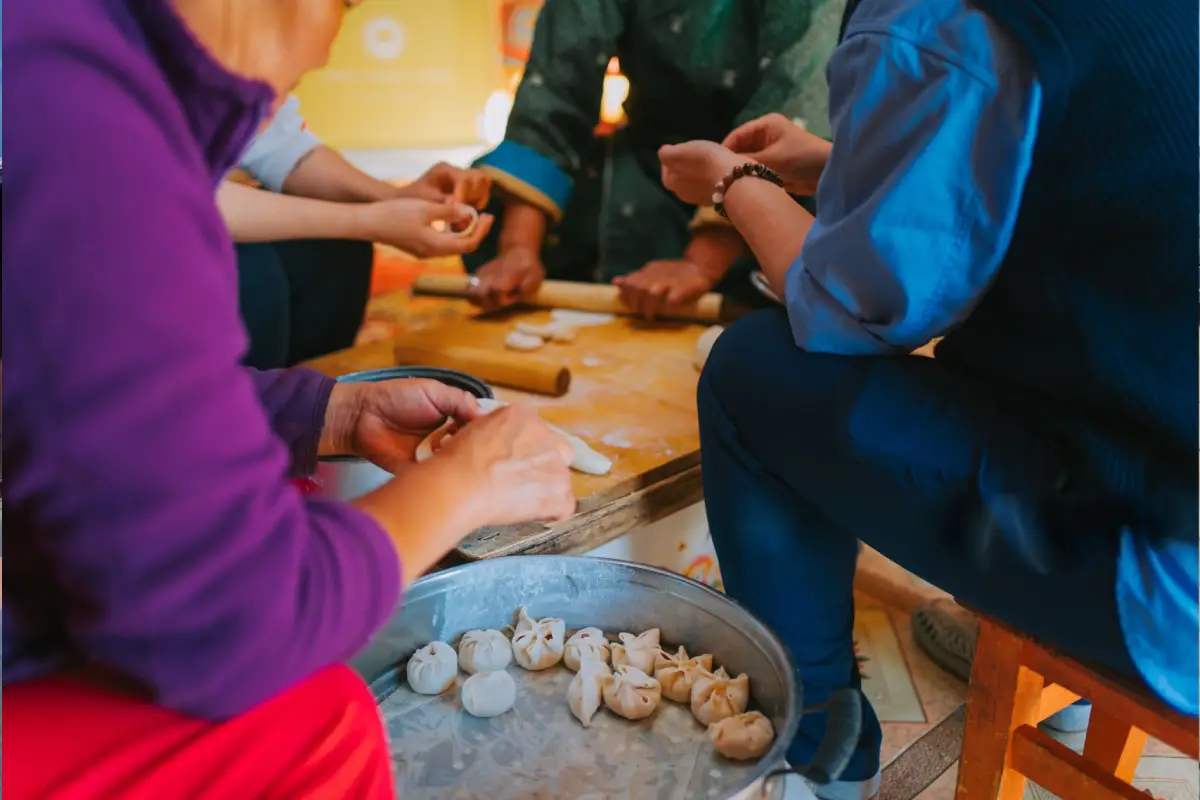
One of the most popular dishes visitors can learn to prepare during a Lhasa cooking class is the famous Tibetan momo. These steamed dumplings are enjoyed throughout Tibet and the Himalayan region and are an important part of local food culture. Preparing momos is a fun and interactive experience where travellers can learn how to make the dough, prepare the filling, shape the dumplings, and cook them properly. Whether filled with vegetables, meat or local flavours, momos represent the warmth of Tibetan hospitality and are often shared during family gatherings and special occasions.
Apart from momos, many cooking experiences introduce travellers to other traditional Tibetan dishes such as tsampa, Tibetan noodles and butter tea. Tsampa, made from roasted barley flour, is considered one of the most important traditional foods in Tibet and has been part of Tibetan life for centuries. Butter tea, known locally as po cha, is another iconic Tibetan beverage that provides warmth and energy in the cold mountain environment. Learning about these dishes gives visitors a deeper understanding of Tibetan traditions and the role food plays in the local community.
A cooking class for lunch in Lhasa is not only about preparing food; it is also about cultural exchange. These experiences often take place in local homes, family kitchens, or traditional cooking spaces, allowing travellers to interact directly with Tibetan people. Through conversations and shared meals, visitors can learn about local customs, family traditions, and everyday life in Lhasa. These personal interactions often become some of the most memorable moments of a Tibet journey.
The experience also provides a wonderful opportunity to explore Lhasa beyond its well-known attractions. After visiting landmarks such as Potala Palace, Jokhang Temple, or Barkhor Street, a cooking class offers a more personal and relaxed way to connect with the city. Travellers can step away from traditional sightseeing and experience the authentic lifestyle of local residents. It creates a balance between exploring Tibet’s historical treasures and understanding its living culture.
A Tibetan cooking class is suitable for a wide range of travellers, including families, couples, solo explorers and food enthusiasts. Families can enjoy a fun activity where children can participate in preparing simple dishes, while cultural travellers can gain a deeper appreciation of Tibetan traditions. For those interested in photography, the colourful ingredients, traditional kitchens and cooking process also provide excellent opportunities to capture unique moments.
Food is often considered a gateway to understanding a destination, and Tibetan cuisine tells a story of resilience, spirituality and community. Every dish carries the influence of Tibet’s environment, history and cultural beliefs. Through a cooking class in Lhasa, travellers do not just learn how to prepare a meal; they experience the traditions and values that have shaped Tibetan society for generations.
Adding a cooking class for lunch to your Lhasa itinerary creates a more complete and meaningful travel experience. It combines local flavours, cultural discovery, and personal interaction in a way that ordinary sightseeing cannot provide. From preparing traditional dishes to sharing stories with local hosts, every moment offers a chance to connect with the heart of Tibet.
A cooking class for lunch in Lhasa is therefore more than a culinary activity. It is an invitation to experience Tibetan culture through taste, tradition, and connection. Whether you are visiting Tibet for its spiritual heritage, ancient landmarks or Himalayan beauty, this immersive experience allows you to discover another side of Lhasa and take home unforgettable memories of authentic Tibetan hospitality.