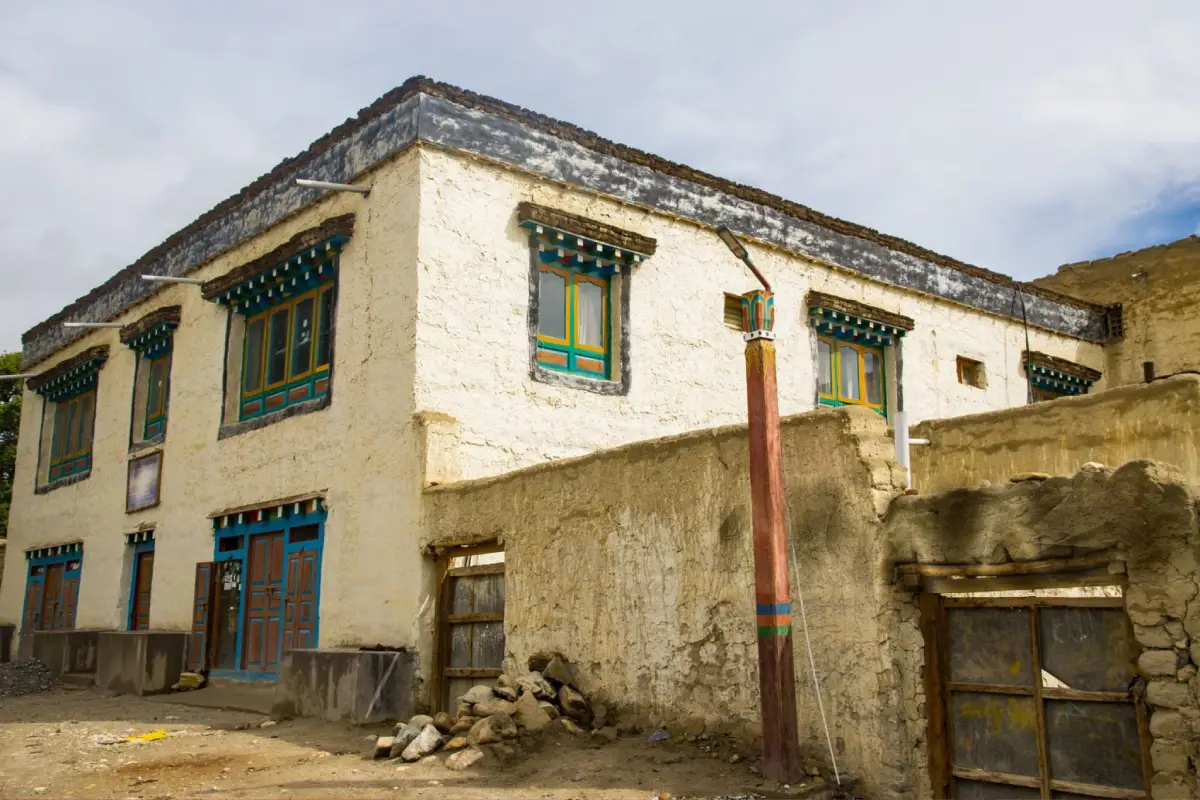
Visit a Local Tibetan House (Lhasa)
Sitting Down with a Tibetan Family: Meaningful Conversations, Cultural Exchange, and Authentic Connections in the Shadow of the High Himalayas
A visit to a local Tibetan house in Lhasa offers travelers a rare opportunity to step beyond famous monasteries and historic landmarks and experience the rhythm of everyday Tibetan life. Entering a family home creates a more personal understanding of the city, revealing how culture, religion, hospitality, and daily routines come together within a domestic setting. Traditional architecture, colorful interiors, carefully arranged household spaces, and religious objects often reflect the strong connection between family life and Tibetan Buddhist traditions.
One of the most interesting parts of the experience is observing how a Tibetan home is organized and decorated. Many homes feature carved wooden details, bright fabrics, traditional furniture, family photographs, religious paintings, prayer objects, and a dedicated altar area. These elements are more than just decorative; they often reflect deep personal, spiritual, and cultural significance, offering meaningful insights into local traditions and beliefs. Learning about their meaning can help visitors understand how faith remains present in everyday life, from morning routines and family gatherings to important celebrations and religious observances.
Hospitality plays a central role in the visit. Guests may be welcomed with butter tea, a traditional Tibetan drink made with tea, butter, and salt, or offered other local refreshments depending on the household. For first-time visitors, the flavor can be unexpected, but tasting it in a family home provides valuable cultural context. Hosts may also explain how tea is prepared, when it is usually served, and why offering food or drink is considered an important gesture of welcome.
Some visits may include simple hands-on activities that make the experience even more engaging. Travelers might learn how a local dish is prepared, help with tea-making, or observe traditional cooking methods used in the household. These moments create a natural setting for conversation and allow visitors to learn about daily habits, family recipes, seasonal foods, and the way local ingredients are used in Tibetan cuisine.
Conversations with the host family are often the most memorable part of the experience. They can provide insight into education, family traditions, work, festivals, religion, changing lifestyles, and the differences between life in modern Lhasa and earlier generations. These personal stories help transform cultural understanding from something observed at a distance into something shared through direct interaction.
A home visit also encourages travelers to slow down and pay attention to small details that are easy to miss during a busy sightseeing schedule. The way a room is arranged, how elders are greeted, how tea is poured, where religious objects are placed, and how family members interact can reveal a great deal about local values and social customs. These details provide a more intimate perspective on Tibetan culture than many conventional attractions can offer.
Respect is essential throughout the visit. Travelers should follow the host’s guidance, avoid touching religious objects without permission, and ask before taking photographs inside the home or of family members. Dressing modestly, listening carefully, and showing genuine interest in local customs help create a positive exchange for both guests and hosts.
For couples, families, cultural travelers, photographers, and anyone interested in authentic local experiences, visiting a Tibetan household in Lhasa adds depth to a journey through Tibet. It offers a meaningful balance to monastery visits, scenic drives, and historic sightseeing by introducing travelers to the people and everyday traditions that give the destination its living character.
More than a simple cultural stop, a Tibetan home visit in Lhasa is an opportunity to understand local life through hospitality, conversation, food, family traditions, and shared experiences. It creates a personal connection with the destination and leaves travelers with a deeper appreciation of Tibetan culture that extends far beyond monuments and landscapes.