Ganden Nyachu
Ganden Nyachu, also widely known as Ganden Ngamchoe or Tsongkhapa Butter Lamp Festival, is one of Tibet’s most meaningful Buddhist observances. It commemorates the passing of Je Tsongkhapa, the influential Buddhist teacher who founded the Gelug school of Tibetan Buddhism. The festival takes place on the 25th day of the tenth month of the Tibetan calendar and transforms monasteries, temples, homes, and pilgrimage areas into glowing spaces filled with butter lamps, prayer, and quiet devotion. Rather than being centered on entertainment, the occasion is deeply spiritual, giving Tibetan Buddhists an opportunity to remember Tsongkhapa’s teachings and express respect through offerings of light.
Tsongkhapa was born in 1357 and became one of the most influential religious figures in Tibetan Buddhist history. His teachings placed strong emphasis on disciplined monastic practice, Buddhist philosophy, ethical conduct, meditation, and careful study of scripture. He later established Ganden Monastery, which became the original seat of the Gelug tradition. Following his death in 1419, the anniversary of his passing gradually became an important day of remembrance. More than six centuries later, devotees continue to observe the occasion across Tibet through prayer, religious ceremonies, offerings, and the lighting of lamps.
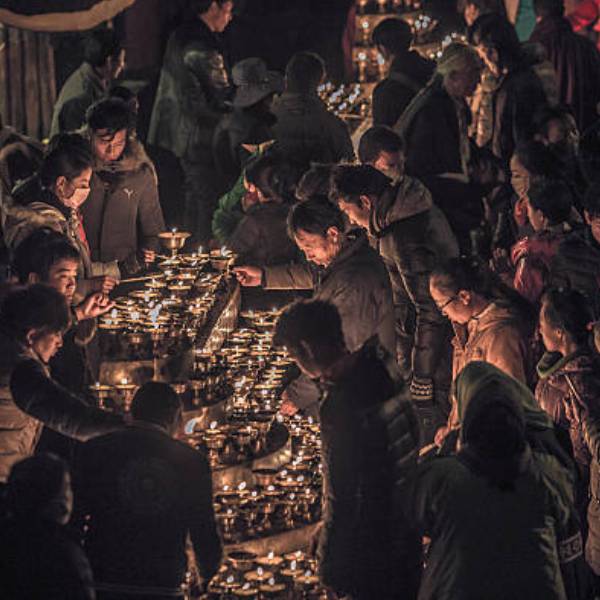
The butter lamp is the most recognizable symbol of Ganden Nyachu. In Tibetan Buddhist practice, offering light carries a deeper meaning than simply illuminating a temple or household. Light is commonly associated with wisdom, clarity, and the removal of ignorance. During the festival, devotees place lamps before sacred images, monastery altars, temple halls, and household shrines. As evening approaches, rows of small flames begin to illuminate religious spaces, creating a peaceful atmosphere that reflects both personal devotion and collective remembrance.
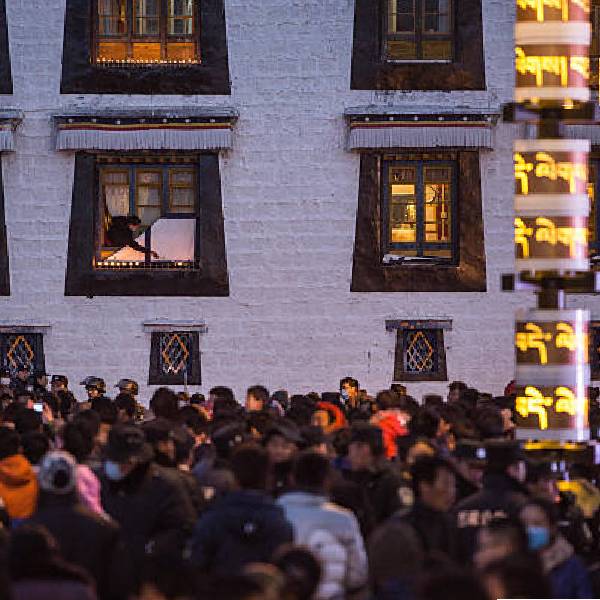
Lhasa becomes particularly atmospheric during the celebration. The Jokhang Temple and surrounding Barkhor area attract large numbers of pilgrims who walk clockwise around sacred sites, recite prayers, make offerings, and participate in religious observances. As darkness falls, butter lamps appear around temples and nearby buildings, giving the historic center of Lhasa a distinctive golden glow. Some pilgrims complete the kora, or ritual circumambulation, while others spend time praying near the Jokhang Temple or making offerings in memory of Tsongkhapa.
Ganden Monastery, located outside central Lhasa, holds particular significance because of its direct connection with Tsongkhapa and the development of the Gelug school. During Ganden Nyachu, monks and devotees gather there for ceremonies and light offerings. Monastery halls, altars, and religious spaces become filled with lamps as visitors pay respect to Tsongkhapa’s legacy. The combination of prayer, mountain surroundings, monastery architecture, and thousands of flickering lights creates one of the most striking expressions of the festival.
The celebration is not limited to major monasteries. Tibetan families also take part within their homes, placing lamps near shrines and windows while offering prayers for wisdom, peace, and favorable circumstances. This household tradition gives the festival an intimate quality, connecting large public religious ceremonies with private family devotion. In this way, Ganden Nyachu demonstrates how Tibetan Buddhist practice extends beyond formal monastery life and remains closely connected with everyday traditions.
For travelers, experiencing Ganden Nyachu provides an opportunity to see Lhasa during a deeply spiritual period rather than simply visiting its monuments as sightseeing attractions. The glow of lamps, sounds of chanting, movement of pilgrims around Barkhor, and activity inside monasteries reveal how Buddhist traditions continue to shape daily life. Visitors interested in photography can find remarkable scenes, but religious activities should always be approached respectfully. Permission should be requested before photographing monks or worshippers closely, and cameras should never interfere with prayer or ritual activity.
The festival usually falls during Tibet’s colder season, so travelers should be prepared for low temperatures, particularly after sunset when many lamp-lighting activities become most visible. Warm layers, gloves, hats, and suitable footwear are important for spending time outdoors. Lhasa itself sits at approximately 3,650 meters above sea level, making gradual acclimatization equally important. Travelers should allow time to adjust before undertaking long walks or spending extended periods at higher-elevation religious sites. The 2026 observance falls on December 3, according to current Tibetan festival calendars.
Ganden Nyachu ultimately represents remembrance, wisdom, devotion, and the continuing influence of Tsongkhapa on Tibetan Buddhism. Its beauty comes not from a single dramatic performance, but from countless small acts of faith taking place simultaneously—pilgrims walking sacred circuits, monks chanting inside monasteries, families tending lamps at home, and thousands of flames illuminating the winter night. For travelers seeking a deeper understanding of Tibetan spirituality and living cultural traditions, witnessing Ganden Nyachu offers a memorable glimpse into the faith, community, and heritage that continue to define Tibet.