Lhabub duchen
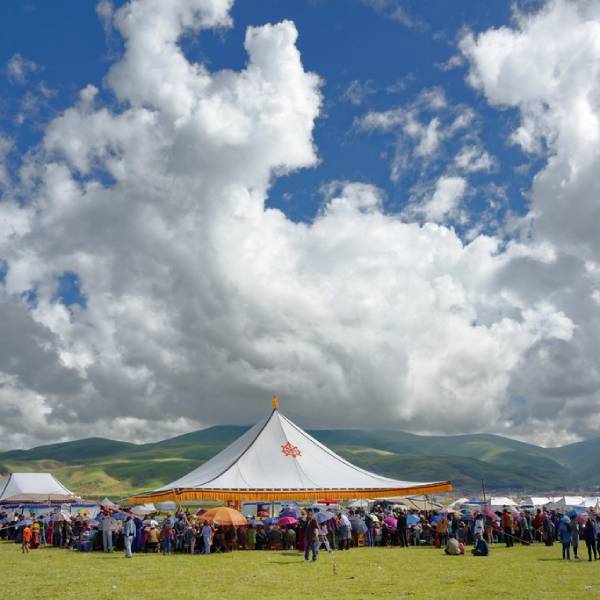
Lhabub Duchen, more commonly written as Lhabab Duchen, is one of the most important sacred days in the Tibetan Buddhist calendar. The festival commemorates the return of Buddha Shakyamuni to the human world after teaching in the heavenly realm known as the Heaven of the Thirty-Three. Observed on the 22nd day of the ninth month of the Tibetan lunar calendar, the occasion is marked by prayer, offerings, pilgrimage, and acts of generosity. In 2026, Lhabab Duchen falls on 1 November, when monasteries and temples across Tibet are expected to receive large numbers of devotees.
According to Buddhist tradition, Buddha Shakyamuni traveled to the celestial realm to teach the Dharma and benefit the beings living there. An important purpose of his visit was to offer teachings to his mother, Mayadevi, who had passed away shortly after his birth and was believed to have been reborn in a heavenly realm. After spending several months teaching, Buddha was requested to return to the human world so that people could once again receive his guidance. His descent is remembered as one of the significant events in his life and forms the spiritual foundation of Lhabab Duchen.
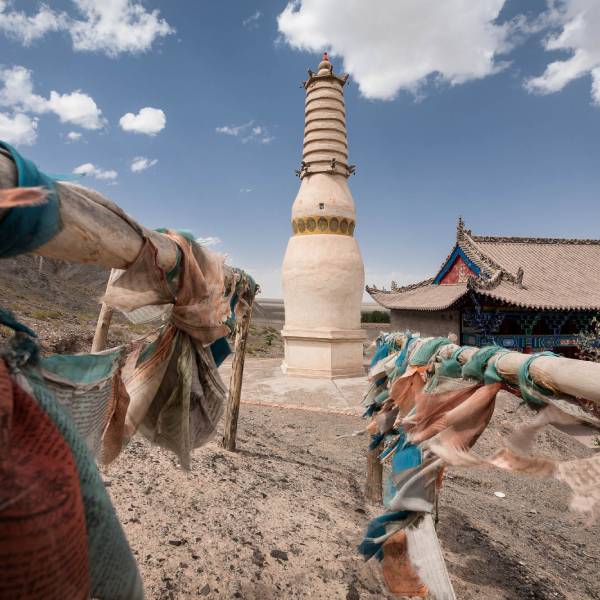
Traditional accounts describe Buddha returning to earth by a magnificent triple staircase. This image has become an important symbol of the festival. In some Tibetan communities, ladders or staircase designs are freshly painted on rocks or walls near monasteries and homes as a symbolic welcome for Buddha's descent. Buildings and religious spaces may also be cleaned or freshly whitewashed before the occasion. These visual customs transform an ancient Buddhist story into something that can still be seen within the landscape and architecture of Tibetan communities today.
Religious practice forms the heart of Lhabab Duchen. Devotees visit temples and monasteries to offer prayers, light butter lamps, burn incense, make donations, and present offerings before sacred images. Many pilgrims spend additional time reciting mantras, reading Buddhist texts, completing prostrations, or walking clockwise around monasteries and stupas. Within Tibetan Buddhism, Lhabab Duchen is regarded as a particularly auspicious day for creating merit. Buddhist traditions teach that the karmic effects of actions performed on major holy days are greatly increased, encouraging practitioners to focus especially on compassion, generosity, ethical conduct, and spiritual practice.
In Lhasa, the festival provides travelers with an opportunity to witness Buddhist devotion as part of everyday city life. The area surrounding Jokhang Temple and Barkhor Street is particularly important for pilgrims throughout the year, and sacred occasions can bring increased religious activity. Worshippers may complete the Barkhor kora while turning prayer wheels, carrying prayer beads, reciting mantras, or performing full-body prostrations. Butter lamps and incense contribute to the atmosphere around religious sites, while monasteries become active with prayers and ceremonial observances.
Lhabab Duchen is meaningful not because of large entertainment performances but because of the collective devotion expressed through thousands of individual actions. A pilgrim offering a butter lamp, a family donating food, monks gathering for prayer, or an elderly devotee completing a sacred circuit all contribute to the character of the day. This quieter form of celebration gives visitors an opportunity to understand how Tibetan Buddhist festivals can unite religious history with personal spiritual practice.
Acts of generosity are also strongly associated with the occasion. Devotees may offer food or financial support to monasteries, assist people in need, release animals according to local religious customs, or dedicate prayers to relatives and other sentient beings. These practices reflect Buddhist teachings on compassion and the belief that spiritual practice should influence the way people behave toward others. For many participants, the festival therefore becomes both a remembrance of Buddha's return and an opportunity to reconsider their own actions and intentions.
Travelers who are in Tibet during Lhabab Duchen can gain a deeper appreciation of the festival by visiting monasteries and observing local religious activity respectfully. Modest clothing is appropriate, particularly inside temples, and visitors should follow local rules regarding photography. Monks or individual worshippers should not be photographed closely without permission, and prayer routes, entrances, or areas used for prostrations should never be blocked. Quiet observation often provides a more meaningful experience than attempting to photograph every ritual.
Early November can also bring noticeably cooler conditions to the Tibetan Plateau. Lhasa sits at approximately 3,650 meters above sea level, so travelers should prepare for both high altitude and changing temperatures. Warm layered clothing, comfortable walking shoes, sun protection, and adequate time for acclimatization are useful when spending extended periods around monasteries and pilgrimage areas. Visitors arriving from lower elevations should avoid strenuous activity during their first days and allow their bodies time to adjust.
Lhabab Duchen ultimately celebrates Buddha Shakyamuni's return, but its deeper meaning lies in compassion, wisdom, gratitude, and renewed commitment to Buddhist practice. Through prayer, butter-lamp offerings, pilgrimage, generosity, and symbolic traditions, Tibetan communities continue to preserve the story in a living form. For travelers interested in Tibetan Buddhism and cultural heritage, experiencing Lhabab Duchen offers a meaningful opportunity to witness faith not as something preserved only in history, but as an active tradition that continues to shape religious and community life across Tibet.