Ongkor Festival
Ongkor Festival, also known as the Tibetan Harvest Festival, is one of the most meaningful agricultural celebrations observed in farming communities across Tibet. The name is commonly understood as referring to walking or circling around cultivated fields, which reflects the festival’s central tradition. As barley and other crops approach maturity, villagers gather to express gratitude for the growing season and pray for favorable weather and a successful harvest. Unlike festivals held on one fixed date throughout Tibet, Ongkor follows the agricultural cycle, so its timing changes from one community to another according to when local crops are ready for harvesting. In 2026, communities in different parts of Tibet held Ongkor celebrations during July as fields approached maturity.
The most recognizable part of Ongkor is the ceremonial procession around the farmland. Villagers dress in traditional Tibetan clothing and walk together along the edges of ripening fields, often carrying barley stalks, prayer flags, religious objects, or sacred scriptures. Incense may be burned beside the crops while participants offer prayers for protection from storms, disease, drought, and other conditions that could threaten the harvest. In Sefu village near Lhasa, a 2026 celebration included residents carrying scriptures, waving prayer flags, burning incense, and circling fields while praying for abundance and giving thanks to the land.
The field procession represents much more than a walk through farmland. Agriculture on the Tibetan Plateau has always required close attention to altitude, climate, rainfall, soil, and a relatively short growing season. For farming families, successfully bringing barley and other crops close to harvest is therefore an important moment in the year. Ongkor allows the community to acknowledge both human effort and the natural conditions that make cultivation possible. The combination of prayer and celebration gives the festival a character that feels simultaneously spiritual, agricultural, and social.
Traditional offerings also form part of the occasion. In some communities, participants scatter tsampa, roasted barley flour, and offer barley-based drinks as symbolic expressions of gratitude and hopes for abundance. During the July 2026 Ongkor celebrations in Shannan, residents carried mature barley ears while circling their fields, scattering tsampa and making offerings as they prayed for favorable weather and full granaries. These practices connect the celebration directly with barley, one of the most important crops and foods in Tibetan life.
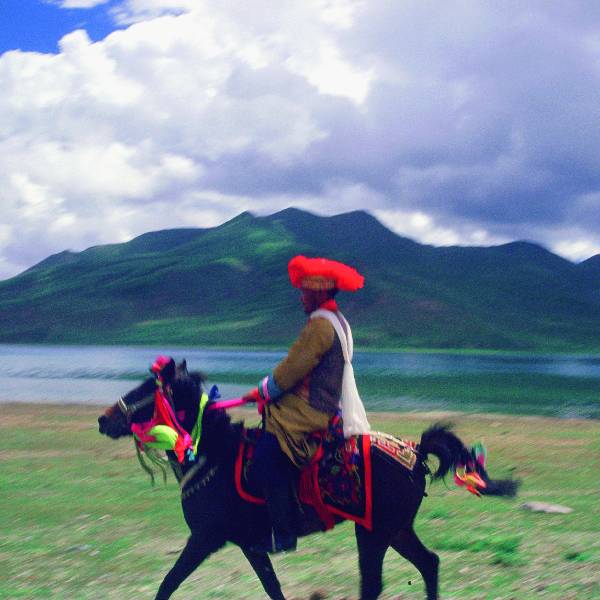
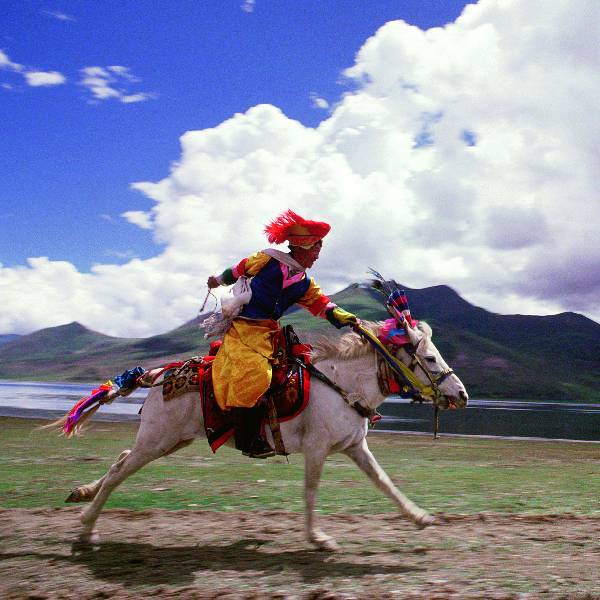
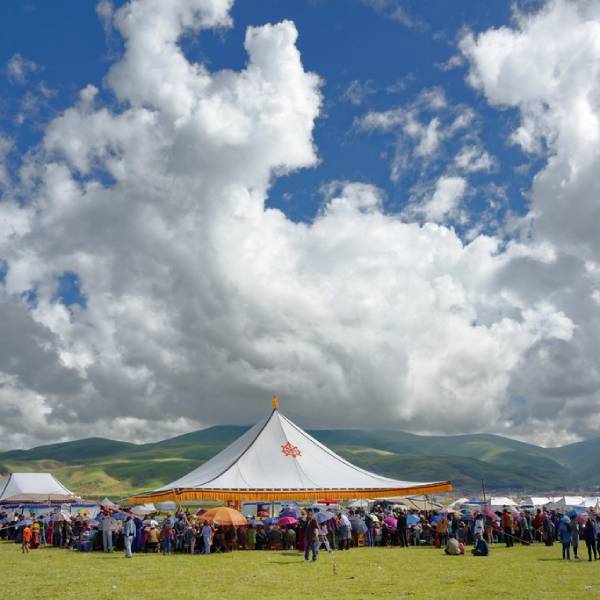
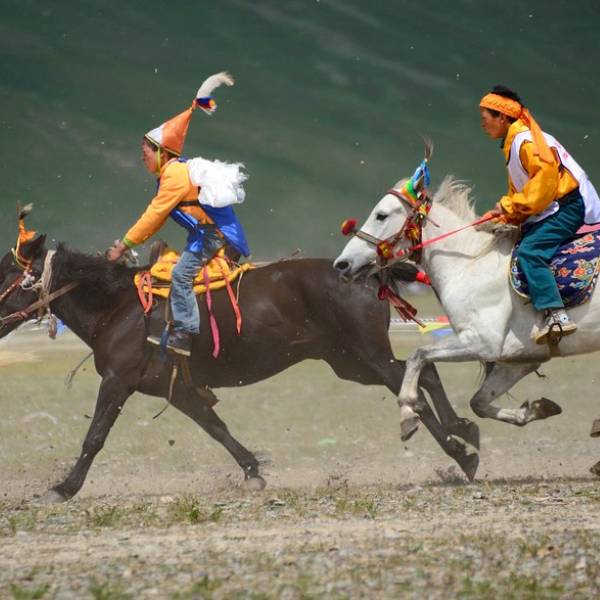
Once the more ceremonial activities are completed, the atmosphere often becomes increasingly festive. Singing and traditional dancing bring families and neighbors together, while different areas may organize horse racing, archery, sporting competitions, or other community activities. The exact program depends on local custom rather than a single standardized format. In many places, people wear their finest traditional clothing, gather for shared food and drink, and turn the days before harvesting into an opportunity for social connection and celebration.
The festival is especially interesting because it belongs to Tibet’s living rural culture rather than existing only within major cities or famous monasteries. Agricultural communities in areas around Lhasa, Shannan, Shigatse, and other farming regions may observe their own versions according to local conditions. Because barley ripens at different times depending on elevation and climate, neighboring communities do not necessarily celebrate together. This explains why travelers should not expect a single nationwide Ongkor date. The location and timing need to be confirmed for the specific area being visited.
For travelers, Ongkor provides a very different perspective on Tibet from the more familiar experiences of visiting monasteries, palaces, sacred lakes, or high mountain passes. Watching families gather beside golden fields reveals how traditions continue within ordinary agricultural life. Prayer flags moving above crops, farmers carrying barley, traditional clothing, folk dances, incense, horses, and open plateau landscapes create an experience closely connected to both the land and the people who depend upon it.
The festival can also be rewarding for photography, particularly when celebrations take place against ripening barley fields and mountain scenery. However, Ongkor is a genuine community event rather than a performance arranged for visitors. Travelers should avoid entering cultivated fields without permission, interfering with processions, or positioning themselves between worshippers and religious activities. Asking before taking close portraits is equally important, especially when people are praying or carrying sacred objects.
Visitors should also prepare for outdoor conditions. Ongkor commonly occurs during the summer growing season, when strong high-altitude sunlight can be mixed with changing weather. Comfortable walking shoes, sun protection, light layers, and rain protection can be useful when spending extended periods around villages and farmland. Travelers coming from lower elevations should also allow adequate time to adjust to Tibet’s altitude before participating in lengthy outdoor activities.
At its heart, the Ongkor Festival in Tibet is a celebration of the relationship between people and the land. Walking around ripening fields, carrying grain, offering prayers, sharing food, singing, dancing, and gathering with neighbors turn the approach of harvest into a collective expression of gratitude. The festival preserves agricultural knowledge and community traditions while adapting to contemporary rural life. For visitors interested in experiencing Tibet beyond its famous landmarks, Ongkor offers a memorable glimpse into a culture shaped by farming, faith, seasonal rhythms, and generations of connection to the Tibetan Plateau.