Tibetan New Year
Tibetan New Year, widely known as Losar, is the most important annual celebration in the Tibetan calendar. It marks the beginning of a new lunar year and is a time when families clean their homes, prepare festive foods, make religious offerings, visit relatives, and exchange wishes for health and prosperity. Although celebrations can continue for around fifteen days, the preparations and first few days carry the greatest importance for most families. In 2026, the first day of the Tibetan Fire Horse Year fell on 18 February, one day after the Chinese Lunar New Year.
Preparations begin before New Year's Day. Homes are cleaned thoroughly so that the coming year begins in an orderly and positive environment. Families shop for food, clothing, decorations, religious offerings, and ingredients needed for traditional dishes. Markets in Lhasa become especially active as residents purchase barley products, butter decorations, fried snacks, incense, and other festive items. The atmosphere during these days is less about one large public event and more about thousands of households preparing simultaneously for an important family occasion.
One object frequently seen during Losar is the chema, an ornamental wooden container traditionally filled with roasted barley, tsampa, grain, and decorative wheat or barley ears. It is placed prominently in the home as a symbol of abundance and good fortune. Fresh barley shoots may also be grown and displayed, bringing an element of green life into houses during the cold Tibetan winter. Butter sculptures, incense, ceremonial scarves, and carefully arranged foods add to the festive setting.
Food is central to the celebration, particularly during the final evening before the new year. A famous tradition is guthuk, a special noodle soup prepared before Losar. Dumpling-like pieces of dough may conceal symbolic items such as wool, chilli, salt, or other ingredients. Discovering what is hidden inside becomes a playful family ritual, with each object traditionally associated with a personality characteristic or prediction. After the meal, purification customs are performed to symbolically leave misfortune and negativity behind before entering the new year.
Another familiar Losar food is khapse, a fried pastry made in different shapes and sizes. Both sweet and savoury varieties can appear on household tables alongside butter tea, barley products, meat dishes, dairy foods, and other preparations. Families often spend considerable time arranging food before guests arrive because hospitality is an important part of the festival. Sharing meals is not simply about eating; it renews connections between relatives, neighbours, and friends.
Religious practice remains equally important. In Lhasa, worshippers visit temples and sacred areas, burn juniper incense, offer prayers, and ask for an auspicious year ahead. The official 2026 cultural programme highlighted worship around Jokhang Temple, where people offered incense during the final days before Losar and gathered again on New Year's Day. Religious practice and family celebration therefore exist side by side rather than as separate parts of the festival.
The first morning of Losar begins early in many households. New clothes may be worn, homes are arranged for visitors, and family members greet one another with good wishes. The traditional expression “Losar Tashi Delek” conveys wishes for an auspicious new year. Guests may be welcomed with chema, barley wine or tea according to family custom, while ceremonial scarves can be exchanged as expressions of respect and goodwill. During the following days, attention gradually shifts toward visiting relatives, neighbours, and friends.
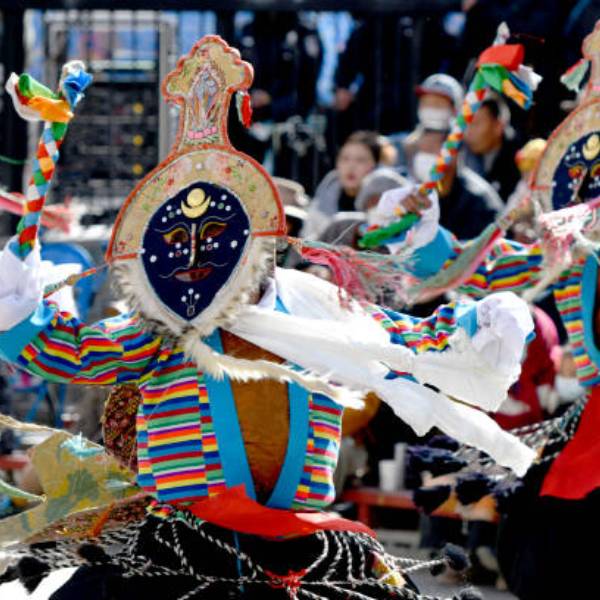
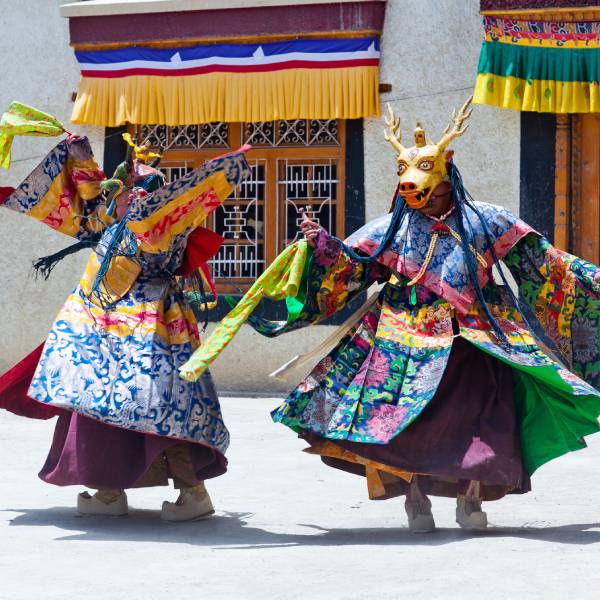
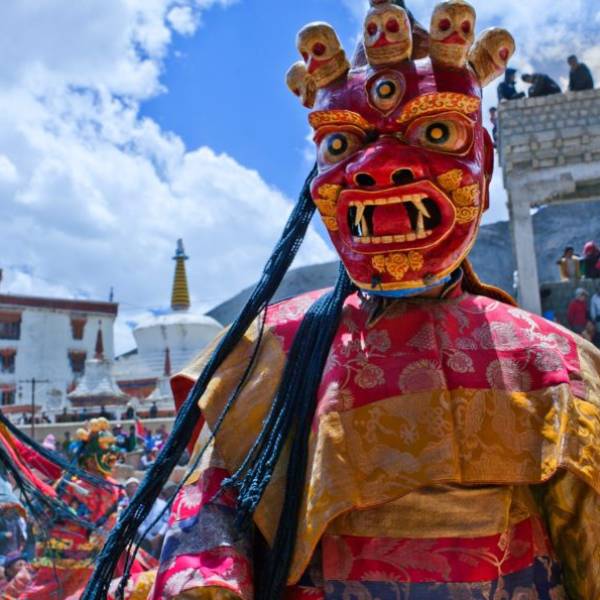
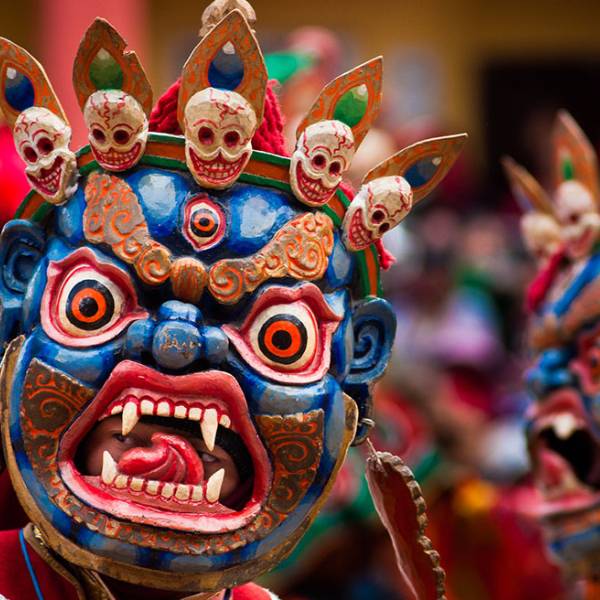
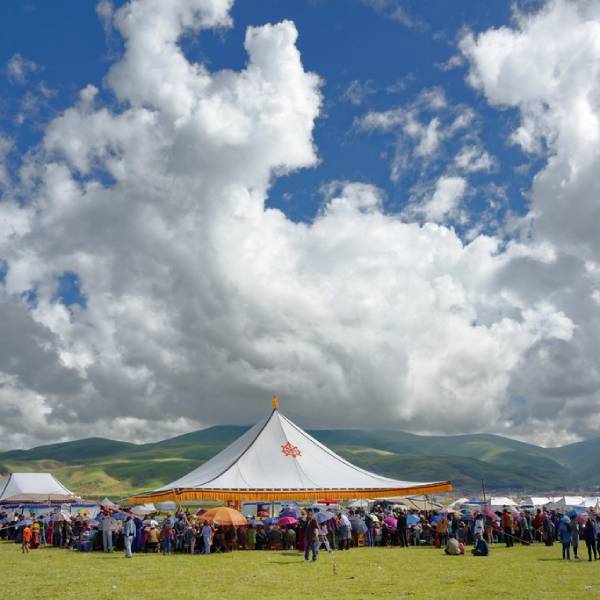
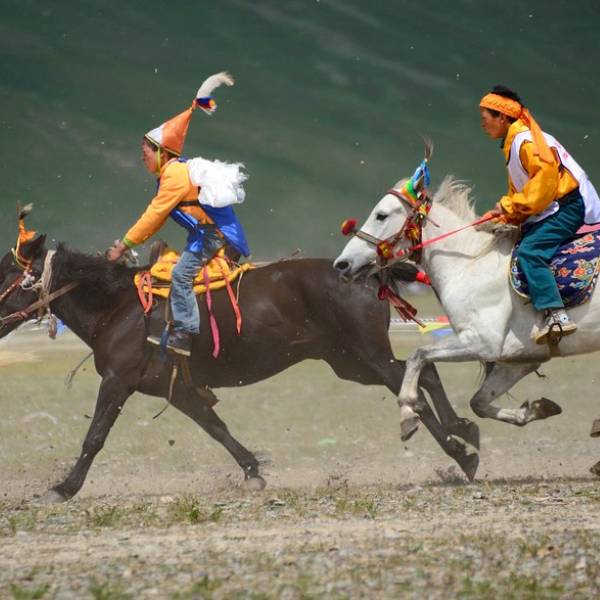
Music and dance add a more public character as the celebration progresses. Traditional circle dancing, local performances, Tibetan opera, sporting events, and community gatherings may form part of organised programmes. In Lhasa's 2026 celebrations, activities around the first few days included cultural performances and sporting traditions such as horse racing and wrestling. The exact programme is not identical every year, so travelers should confirm event schedules before planning around a particular performance.
Losar should also not be treated as though every Tibetan community celebrates New Year on exactly the same date. Tibet contains several regional New Year traditions. Official cultural sources identify Gongbo New Year in Nyingchi, Purang New Year in Ngari, the Agricultural New Year associated with Shigatse, and the Lhasa Tibetan New Year as distinct traditions. Some communities therefore enter their traditional new year weeks or even months before the main Lhasa Losar.
For travelers, Lhasa is one of the most accessible places to experience Tibetan New Year traditions. Barkhor's lanes, neighbourhood markets, Jokhang Temple and residential districts reveal different aspects of the celebration. Arriving several days before the first day can actually be more interesting than arriving only for New Year's Day because visitors can watch markets fill with seasonal foods, families complete preparations, and religious activity gradually increase. In 2026, official tourism guidance highlighted 16–20 February as a particularly useful period for experiencing preparations and the first days of Losar.
Visitors should remember that much of Losar belongs to family and religious life. Private homes should only be entered when invited, and worshippers should be given space around temples and incense-burning areas. Photography inside religious buildings may be restricted, while close portraits should be taken only after permission. Travelers arriving in Lhasa should also allow sufficient time for altitude adjustment before spending long days walking around the city.
At its heart, Tibetan New Year is a festival of starting again. Cleaning a home, preparing guthuk, arranging barley shoots, burning incense, visiting relatives, wearing festive clothing, sharing food, and offering New Year wishes all express the desire to leave difficulties behind and begin another year well. For visitors, Losar offers more than colourful celebration. It provides a close look at Tibetan family life, religious devotion, hospitality, food traditions, and the continuing rhythm of the Tibetan calendar.
Important page update: your current page only says Losar generally falls in February or March. I recommend adding the exact 2026 date: 18 February 2026, verified by the Tibet Autonomous Region's cultural and tourism authorities using the Tibetan astronomical calendar.